
Exposure to lead paint, especially lead dust, is a serious health threat to your family. Lead poisoning is one of the most widespread environmental hazards today. According to the Centers for Disease Control and Prevention, about one child in 23 has high levels of lead in his or her blood. Because a person cannot see, taste or smell lead, many parents don’t realize they have a lead problem in their home, daycare center, or school until their children become ill.
Lead was once an additive
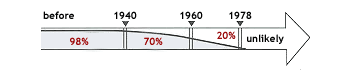
Lead was added to paint long ago to increase durability and provide richer deeper color palettes. In 1978 lead based paint was banned from residential use. Because of its widespread use for many years, it can still be found in homes, buildings, older painted cribs, furniture, toys and playground equipment.
Reduce your lead paint risk
You should reduce lead paint risk in your home or workplace as soon as you realize that danger is present. You may wish to exercise interim controls that temporarily reduce the risk of exposure to lead hazards. For example, you can repair damaged painted surfaces or plant grass to cover contaminated soil.
You may decide to reduce the risk of lead exposure all together through a lead paint abatement process. This is the permanent elimination of lead-based paint hazards.
A lead paint abatement typically involves….

- Removal of lead painted items such as window frames, doors, and trim and the installation of new, lead-free items.
- Covering of lead painted surfaces with a stiff material such as paneling or wallboard to prevent lead dust from getting into the environment. Enclosure also prevents contact with the lead-based paint.
- Covering of lead painted surfaces with a special liquid coating. Once it dries, the coating prevents contact with the lead-based paint and the spread of lead dust.
- Removal of paint done either in your home or at a paint stripping facility. Methods often used include wet scraping, wet plaining, or stripping.
- Should you need the services of a professional lead abatement contractor contact the National Lead Information Center at (800) 424-LEAD.
Where might lead contamination be found
Lead Dust
Forms when painted surfaces hit or rub together, when homes are remodeled or when paint is scraped or sanded. Paint dust or chips can cling to toy’s, fingers, and other objects children normally put into their mouths.
Soil
Becomes contaminated with lead due to the breakdown of lead-based paint on buildings and playground equipment. The soil near roads, highways and garages may also contain high lead levels due to years of gasoline exhaust emissions. Lead from the soil can also be transported into the house on shoes.
Drinking Water
Lead gets into drinking water when old pipes in the plumbing of a building wear down or corrode or when lead solder is used to connect pipes. Old homes and schools are often more at risk because pipes made before the 1930’s may be solid lead.
Important precautions when working around lead
- Check Federal, State and Local Regulations. The EPA and your local community may have rules for waste disposal of lead products.
- Avoid creating dust. Use low dust work practices (for example, mist surfaces with lead clean or water before sanding or scraping).
- Avoid spreading dust. Cover area under work with durable protective sheeting (plastic or poly) that are easy to dispose of. Do not use Canvas or Butyl dropcloths as they will become and remain contaminated with the lead dust.
- Protect the work area. Keep children and all nonessential people away. Wear proper respiratory protection for lead dust. At clean up take dust wipe samples to make sure the area is safe. Wash your clothes separately from other household laundry.
Things you should never do when working with lead
- Use power sanders or grinder without HEPA vacuum attachment. These machines create a lot of dust that can contaminate a building and the ground around a building endangering workers, neighbors and occupants.
- Use open flame or high heat removal of paint. It produces toxic gases that a HEPA dust canister on a respirator cannot filter out on its own. It creates high levels of toxic dust that is difficult to cleanup up.
- Use paint removers containing Methylene Chloride. removers containing methylene chloride should not be used because this chemical is toxic and is known to cause cancer.
- Use uncontained hydro blasting. Removal of paint using this method can spread paint chips, dust, and debris beyond the work area. This method makes it difficult to cleanup up the hazardous material at the end of the job.
- Use uncontrolled abrasive blasting. This work method can also spread paint chips, dust and debris beyond the work area. This method makes it difficult to clean these hazards at the end of the job.
- Extensive dry scraping or sanding. Extensive dry scraping or sanding creates large amounts of paint chips, dust and debris that is hard to contain.
Common precautions to exercise during removal of lead paint
- Occupants leave the room where work will be done and stay out until final cleanup.
- DO NOT ENTER signs are taped across doorways or other signs posted.
- Protective sheeting on floor extends about 5 feet from the work area. Masking tape, or other durable tape where masking tape doesn’t work, is used to tape protective sheeting to the baseboard under work.
- Drapes, curtains, furniture, and rugs within 5 feet of work area are removed. Furniture within 5 feet of work area that cannot be moved is covered.
- All necessary tools and supplies are placed on the protective sheeting prior to start of work. This avoids unnecessary tracking outside the work area.
- To avoid tracking dust off the protective sheeting, wear nonskid shoe covers and remove them each time you step off the protective sheeting.
Additional resources for Lead information
More than 80 percent of the US Homes built before 1978 contain lead-based paint.
Stay safe and be safe